

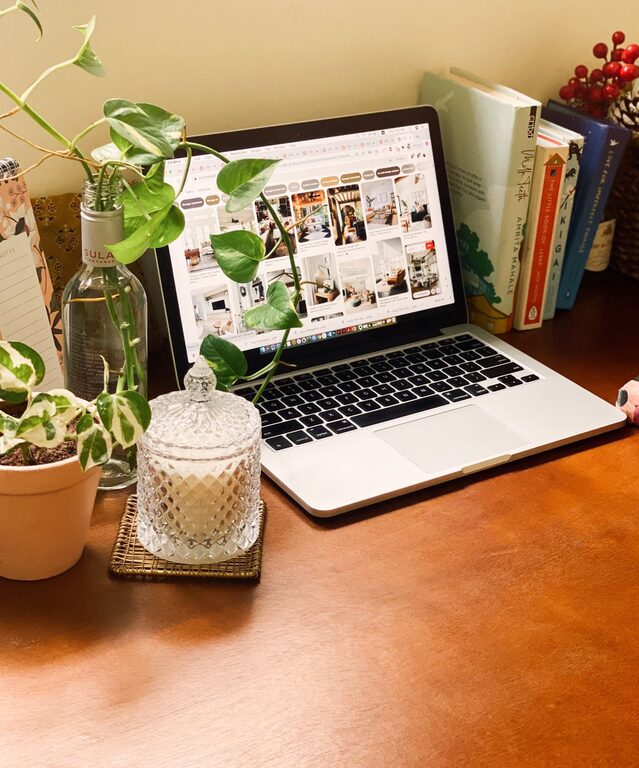
Creating a cozy and inviting home workspace is more important than ever. Whether you’re working remotely, studying, or managing personal projects, having a dedicated area that feels comfortable and motivating can make a big difference in your focus and well-being. Here are some practical tips to help you design a home office that welcomes you to work efficiently while feeling relaxed.
Why a Cozy Workspace Matters
A well-designed workspace can reduce stress, increase productivity, and help separate your work life from your personal life. When your environment feels inviting, it’s easier to stay motivated and maintain positive habits throughout your workday. Comfort doesn’t mean sacrificing professionalism — it means creating a space tailored to your needs and preferences.
Choose the Right Location
Start by selecting a spot that suits your work style. Ideally, it should be a quiet area with natural light and minimal distractions.
– Natural light: Position your desk near a window if possible. Daylight can boost your mood and reduce eye strain.
– Privacy: Pick a space where you can close the door or create a visual barrier to signal work mode.
– Accessibility: Make sure you have easy access to power outlets and your internet connection.
If a separate room isn’t available, a corner of a living room or bedroom can work fine with some thoughtful organization.
Invest in Comfortable and Functional Furniture
Long hours at a desk require well-chosen furniture for comfort and ergonomics.
– Ergonomic chair: Choose a chair with lumbar support, adjustable height, and comfortable padding to protect your back and posture.
– Desk options: Your desk should be large enough to hold essential items like your computer, notepads, and a lamp without feeling cluttered.
– Standing desks: If you prefer, consider a sit-stand desk to alternate between sitting and standing, which can reduce fatigue.
Adding a small side table or shelf can keep frequently used items within reach and maintain organization.
Personalize Your Space
Making your workspace feel like your own can increase your attachment to it and boost creativity.
– Decor: Use artwork, plants, or decorative items that inspire you but keep it minimal to avoid distractions.
– Colors: Incorporate soothing or energizing colors based on what works best for you — soft blues and greens promote calm, while yellows and oranges can spark creativity.
– Textures: Add cozy elements such as a soft rug, throw blanket, or cushions to make the space comfortable.
Small personal touches make the environment feel warm without overpowering your focus.
Maintain Good Lighting
Proper lighting is crucial for reducing eye strain and creating an inviting atmosphere.
– Layered lighting: Combine natural light with ambient and task lighting. A desk lamp with adjustable brightness can help during late hours.
– Avoid glare: Position screens and lights to reduce glare or reflections on your monitor.
– Warm bulbs: Use bulbs that emit warm white or soft yellow light to create a relaxed feeling, rather than harsh, cool white light.
Organize and Declutter
A cluttered workspace can increase stress and reduce your ability to concentrate.
– Storage solutions: Use drawers, shelves, or organizers to keep supplies neatly stored.
– Cable management: Tidy up cords and chargers using cable clips or trays.
– Daily reset: Take a few minutes at the end of each day to clear your desk and prepare for tomorrow.
An organized workspace helps your mind feel clear and ready to focus.
Incorporate Plants and Natural Elements
Bringing nature into your workspace can improve air quality and mood.
– Easy-care plants: Choose low-maintenance plants like succulents, snake plants, or pothos that require minimal watering.
– Natural materials: Use wood, stone, or woven baskets to add texture and warmth to your space.
Even a small succulent on your desk can make your workspace feel fresh and alive.
Set Boundaries to Improve Work-Life Balance
A cozy workspace also supports mental well-being by helping you switch off from work at the end of the day.
– Defined workspace: Keep work materials and tasks contained within your designated area.
– Separate hours: Try to start and finish work at set times to avoid overworking.
– Digital breaks: Step away from screens regularly to stretch or take short walks.
Creating clear boundaries helps maintain comfort and balance.
Add Comfort Boosters
Small additions can increase your physical comfort throughout the day.
– Footrest: Supports your posture and reduces fatigue.
– Keyboard and mouse: Ergonomic options reduce strain on your hands and wrists.
– Noise control: Noise-canceling headphones or white noise machines can block distracting sounds.
Listening to soft music or ambient sounds may also enhance your concentration.
Final Thoughts
Designing a cozy and inviting home workspace need not be complicated or expensive. Focus on what makes you feel relaxed and motivated, from lighting and furniture to personal touches and organization. A thoughtful workspace encourages productivity and creates a pleasant environment where you can enjoy your work and feel balanced throughout the day.
By taking the time to craft your ideal home office, you’re investing in both your comfort and your success — making work from home a more enjoyable experience.