

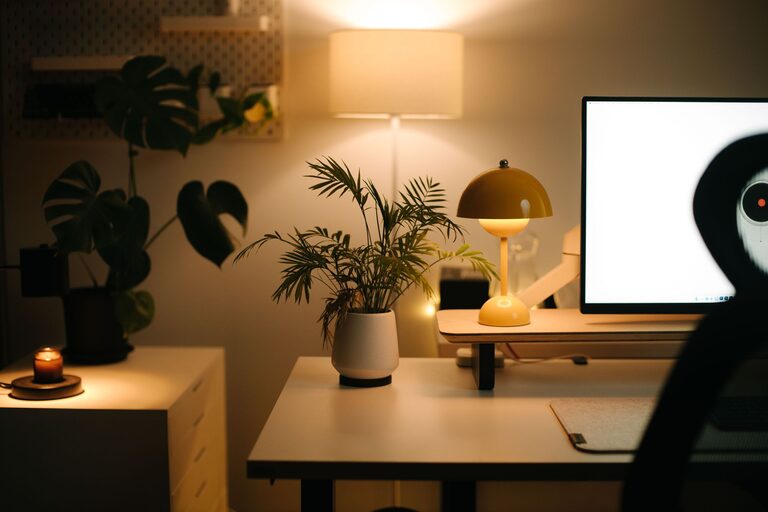
Creating a home office that feels both cozy and productive is key to enjoying your work-from-home experience. A well-designed space can improve focus, reduce stress, and inspire creativity. Whether you have a dedicated room or a small corner, these tips will help you craft an environment where comfort meets functionality.
Choose the Right Location
Finding the best spot for your home office is the first step. Ideally, select a quiet area away from distractions like high-traffic rooms or noisy appliances. Natural light is a great bonus—it helps reduce eye strain and boosts mood. If a window isn’t an option, consider quality task lighting to brighten up your workspace without glare.
Invest in Ergonomic Furniture
Comfort is crucial when spending hours at your desk. Opt for an ergonomic chair that supports your back and encourages good posture. Your desk should be at a height that allows your forearms to be parallel to the floor when typing. If space is limited, a standing desk converter can offer variety and help reduce sitting time.
Personalize Your Space with Cozy Touches
Add elements that make your workspace inviting and comfortable. Soft textures like a plush rug, throw blanket, or cushioned chair pad can warm up the environment. Greenery is another cozy touch; a small plant on your desk can purify the air and add a splash of color. Choose décor that inspires you, such as framed photos, art prints, or a motivational quote.
Keep it Organized and Clutter-Free
A tidy workspace promotes clear thinking and productivity. Use storage solutions like shelves, filing cabinets, or drawer organizers to keep supplies sorted and accessible. Cable management tools can tame wires and keep your desk surface clear. Try to clean up your space at the end of each day—it helps create a fresh start the next morning.
Optimize Technology and Tools
Ensure your technology setup supports your work needs. A reliable computer, fast internet connection, and quality peripherals like a keyboard and mouse are essential. Consider noise-canceling headphones if you need to focus amid household sounds. Use apps and tools that streamline tasks and reduce manual work wherever possible.
Set Boundaries and Create a Routine
To stay productive, establish clear work hours and communicate these boundaries to family or roommates. Having a dedicated workspace encourages mental separation between work and home life. Starting your day with a routine, such as a quick stretch or planning session, can set a positive tone and increase focus.
Pay Attention to Lighting and Air Quality
Good lighting reduces fatigue and improves alertness. In addition to natural or overhead lighting, task lamps help illuminate documents or keyboards precisely where needed. Fresh air can refresh the mind—if possible, open a window regularly or use an air purifier to maintain a clean breathing environment.
Incorporate Movement and Breaks
Sitting for long periods can decrease productivity and cause discomfort. Make space in your home office for occasional stretches or brief walks. Some people find a small standing area or balance board helpful for movement. Remember to take regular breaks away from screens to rest your eyes and recharge.
Final Thoughts
Creating a cozy and productive home office revolves around comfort, organization, and personalization. By thoughtfully selecting location, furniture, lighting, and décor, you can build a space that supports your work goals and well-being. Whether your office is a separate room or a nook in your living area, these tips can help transform it into a place you look forward to working in every day.